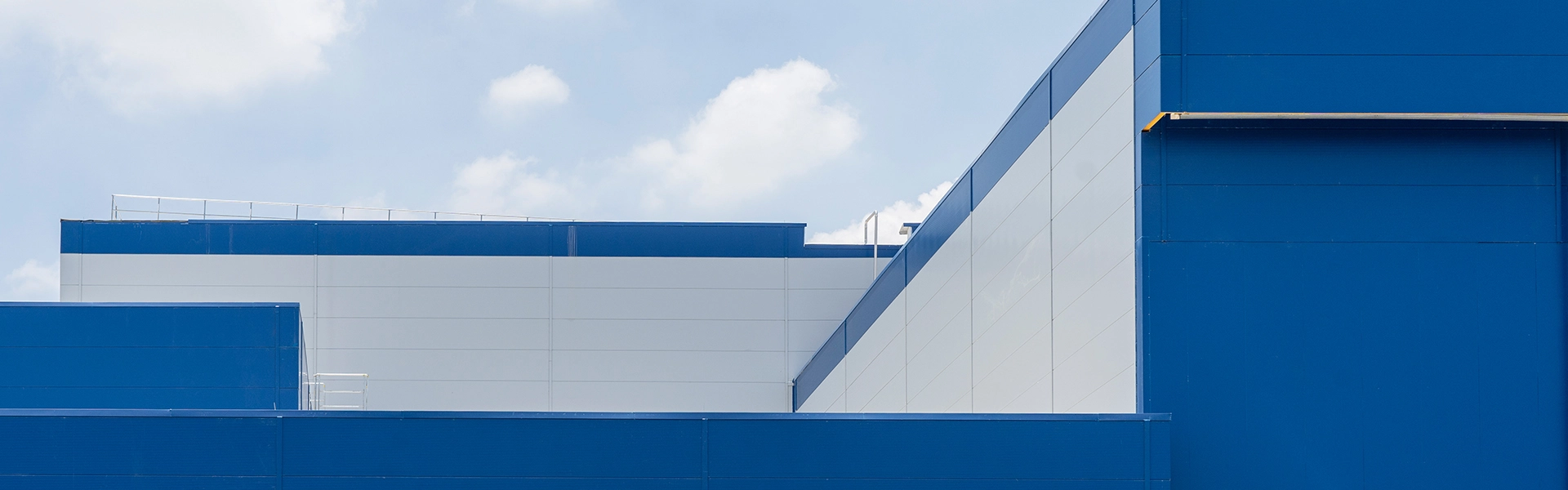

PIR/PU Sandwich Photovoltaic Energy Roof Panel
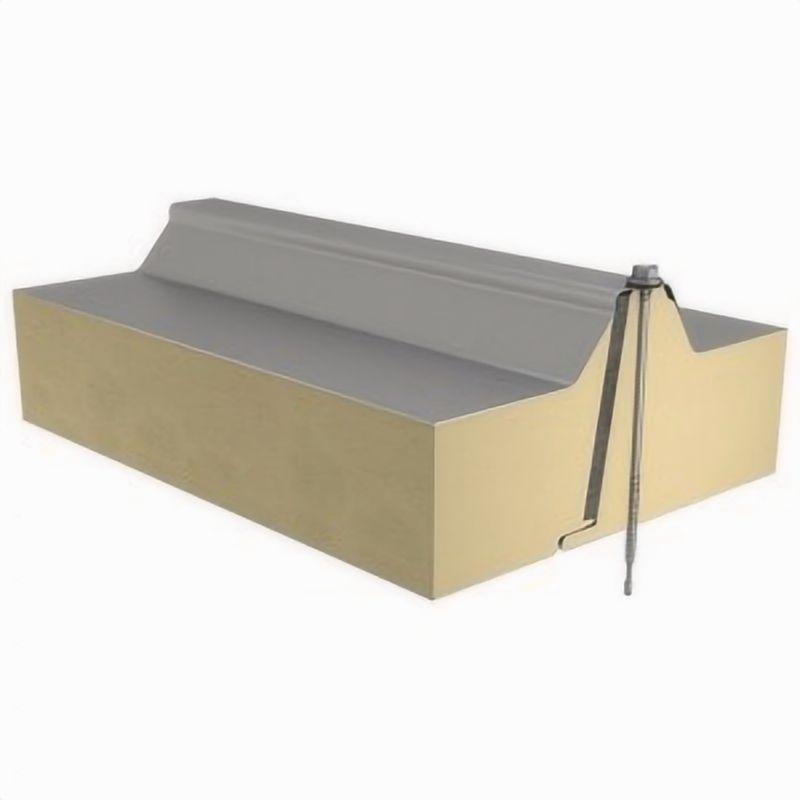
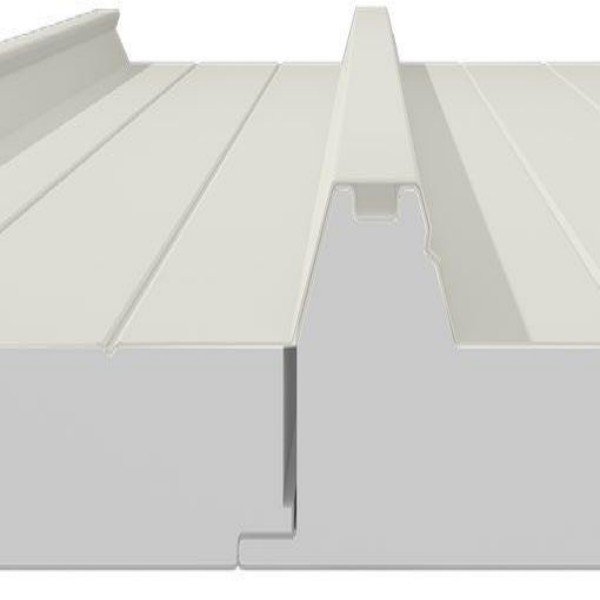
PIR/PU sandwich photovoltaic energy roof panels are composite building materials specially developed for photovoltaic building integration scenarios. They have three functions: thermal insulation and heat preservation, structural load-bearing, and photovoltaic compatibility. They can be directly used as roof base materials and efficiently combined with photovoltaic modules, and are suitable for industrial plants, commercial buildings, distributed photovoltaic power stations and other scenarios. Realize the dual value of building energy conservation and clean energy utilization.
PIR/PU
Product Performance Advantages
Types Density kg/m3 Nominal Thermal
Conductivity λ[W/(m·K)]
Thickness
mm
Thermal
Resistance R
m2·k/W
Thermal
Conductivity[W/(m2·K)]PIR/PU Sandwich Photovoltaic Energy Roof Panel 46 0.024 50 2.23 0.45 75 3.28 0.31 100 4.32 0.23 150 6.4 0.16 200 8.42 0.12 250 11.02 0.09 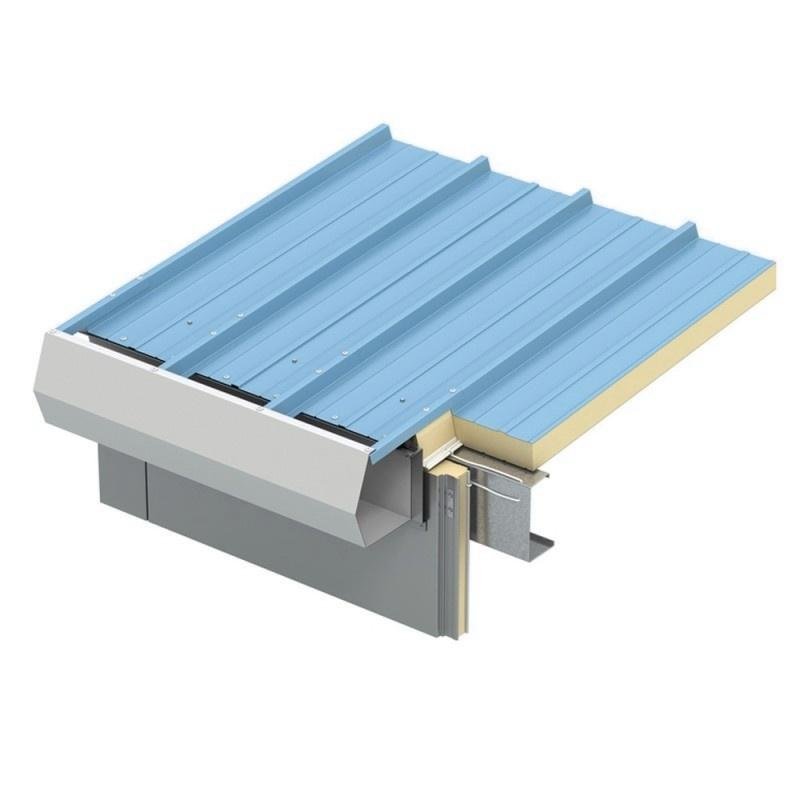


Q1:Strong Adaptability of PV, Reducing Power Station Construction Costs
A:With pre-installed structures, labor and time are saved as there is no need to build additional rooftop support foundations. PV modules can be directly fixed in place, which reduces costs compared to the traditional “rooftop + independent support” model. The system maintains long-term color stability without peeling, preventing coating detachment that could affect PV module cleaning and power generation efficiency.
Q2: Dual Benefits of Thermal Insulation and Energy Savings, Enhancing Building Economics
A: Excellent thermal insulation reduces building energy consumption. The core material’s low thermal conductivity effectively blocks heat transfer through the roof, lowering annual energy consumption for industrial plants by 20%-30%. Its insulation performance remains unaffected in humid environments, ensuring long-term energy-saving effects.
Integrated Rooftop and Power Generation, Dual Value
The product serves both as a building roof enclosure material and a carrier for PV power stations, eliminating the need for additional land resources. This enables “building energy self-sufficiency + revenue from surplus electricity fed into the grid.”
Q3: Reliable and Durable Structure, Adaptable to Complex Environments
A: High load-bearing capacity ensures stable support for PV modules (15-20 kg/㎡), snow loads, and maintenance personnel, preventing roof deformation or collapse. With a wind pressure resistance rating of ≥±5 kPa, it withstands strong winds in coastal and high-altitude areas. The panels remain crack-free and deformation-free within a temperature range of -40°C to 120°C, making them suitable for various climate zones nationwide.