
Breeding Greenhouse
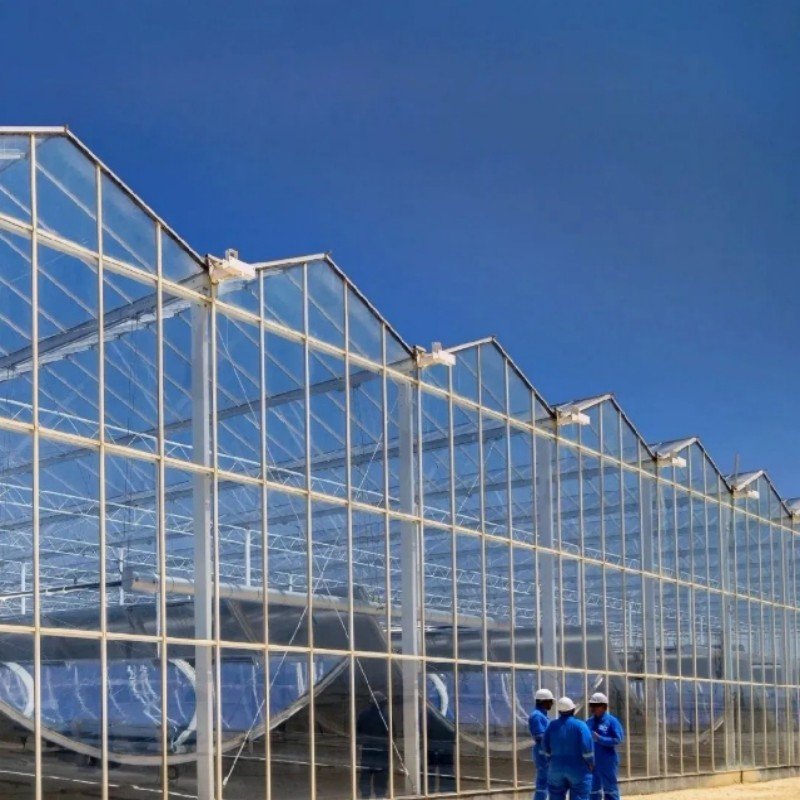
Aquaculture greenhouses, also known as facility aquaculture greenhouses, are modern agricultural facilities constructed with lightweight structures (such as steel frames, composite materials) and special covering materials (such as plastic films, polycarbonate sheets). The core principle is to create a controllable artificial environment for livestock, poultry or aquaculture that is not affected by or reduces the impact of adverse external weather conditions.
Product Performance Advantages
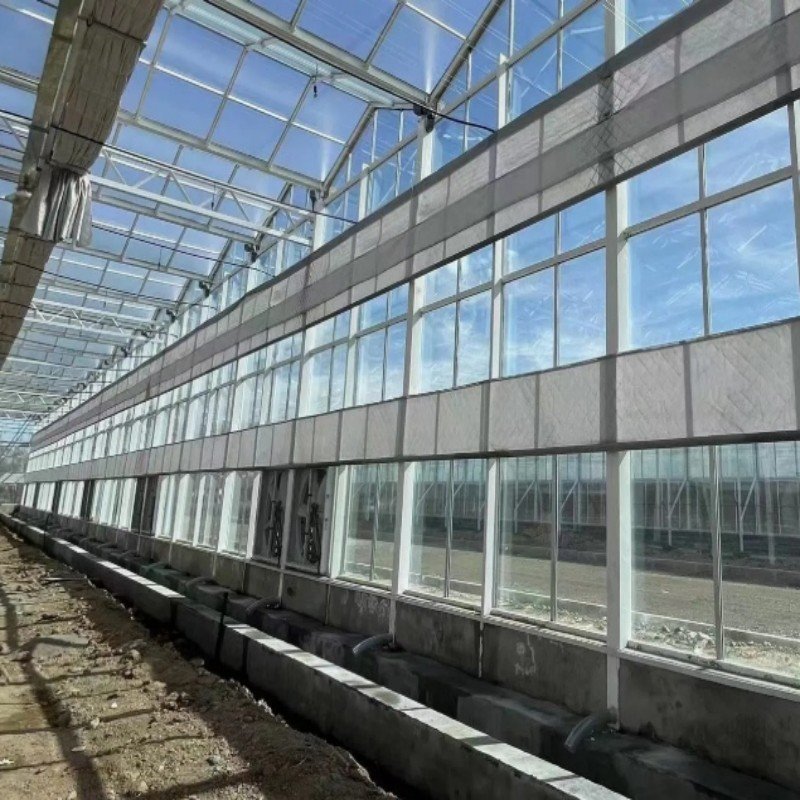
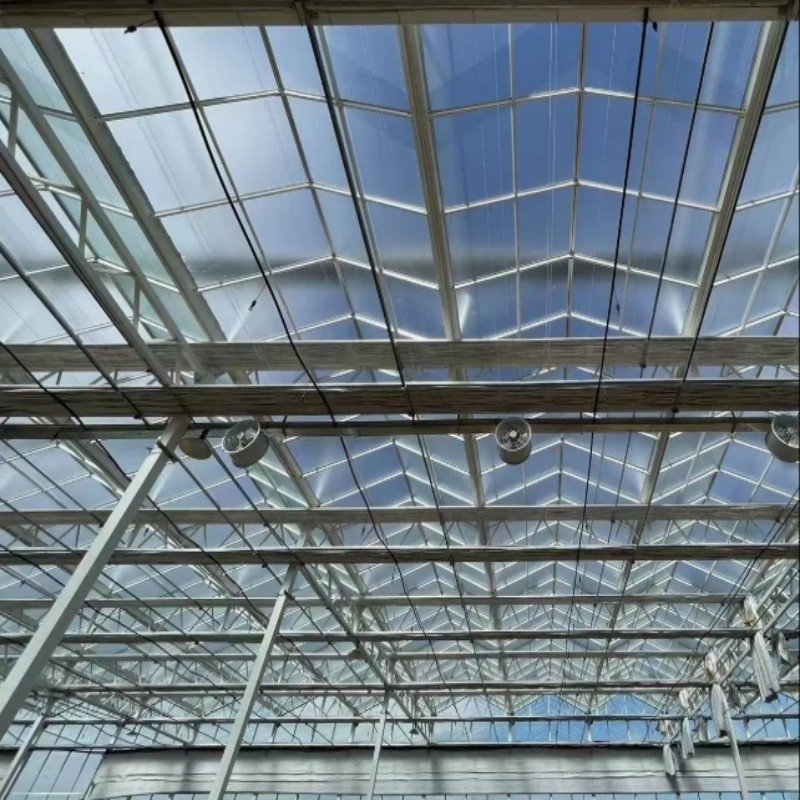

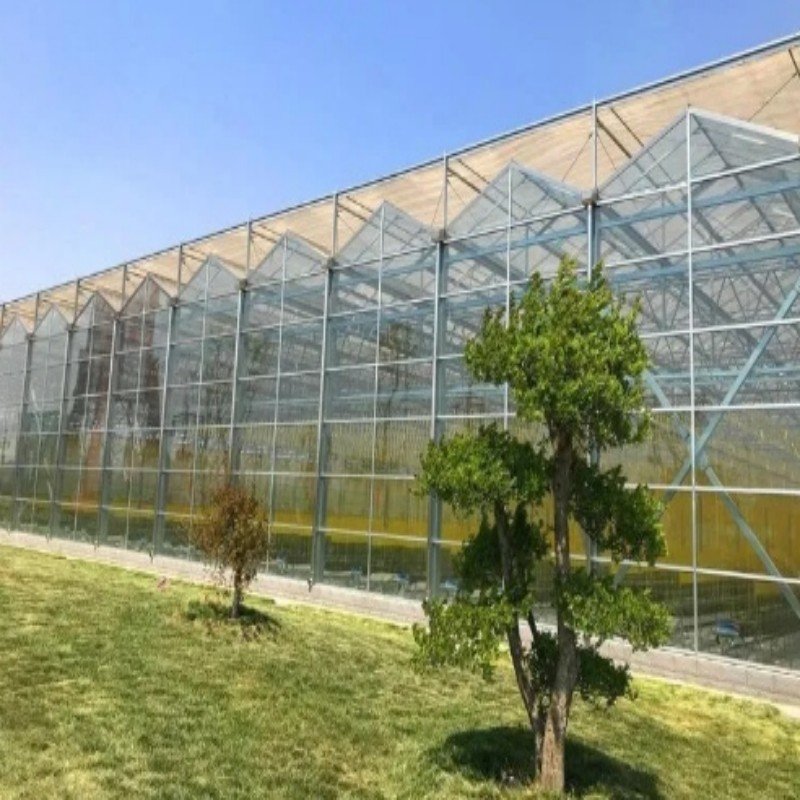
The environment is controllable and production is stable
By means of insulation, cooling and ventilation facilities, it can effectively resist severe cold, extreme heat and bad weather, create a suitable “microclimate” for growth, achieve continuous production out of season and all day long, and ensure the stability of the production plan.
Intensive and efficient, with remarkable benefits
Support high-density and three-dimensional breeding models to greatly enhance land utilization. A stable environment can shorten the breeding cycle, increase the feed conversion rate, and thus maximize the output per unit area.
Biosafety, high-quality products
The physical barrier of the greenhouse can effectively isolate external pathogens and reduce the risk of disease introduction. At the same time, reducing environmental stress means a significant decrease in the use of veterinary drugs, making it easier to produce high-quality, green and pollution-free products.
Flexible investment and convenient management
Compared with fully enclosed factories, the construction cost of breeding greenhouses is lower, the construction period is shorter, and the investment threshold is lower. Its unified space also facilitates the integration of automatic feeding, manure cleaning and other equipment, significantly saving manpower and improving management efficiency.